
Keeping a home garden that looks healthy and productive through the year takes planning and hands on care. This Thriving Home Garden Tips Seasonal Gardening Guide For You will help you match tasks to the seasons, reduce common problems, and get better results from the plants you love. I will share practical steps you can use this month and next so work in the yard feels useful and rewarding.
The sections below cover soil, planting, water habits, pest control, and simple designs that fit small yards and containers. Read the tips that match your climate and calendar and pick one new habit to use this week. Small, steady actions add up to larger gains for plant health and for the enjoyment you get from your outdoor space.
Plan by Season for steady progress in your garden
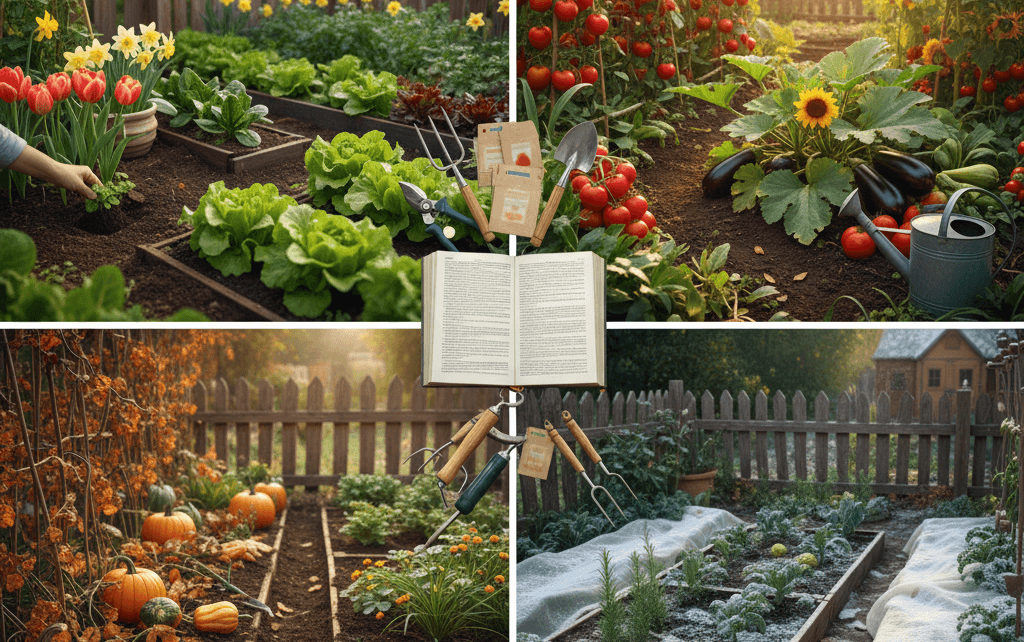
Break the year into clear blocks so tasks do not pile up. A simple seasonal checklist keeps planting, pruning, and mulching on a regular rhythm. Here are sample items by season that apply to most temperate gardens. Adapt timing to your local frost dates and rainfall patterns.
- Spring, after last frost: prepare beds, add organic matter, start early vegetables, set up irrigation if needed
- Summer, peak growth: focus on water management, remove spent blooms, watch for heat stress and pests
- Autumn, cooling temperatures: plant bulbs, add winter cover, cut back perennials when foliage dies back
- Winter, dormancy: plan next year beds, sharpen tools, protect young trees from rodents and sunscald
Soil health basics for stronger plants
Soil is the foundation that determines plant vigor. Test soil every few years to learn pH and nutrient levels. Where testing is not possible use a simple feel test or a small planting trial to observe drainage and texture. Good soil holds the right balance of water and air and supplies slow release nutrients as microbes cycle organic matter.
- Improve structure with aged compost, not fresh scraps
- Use mulch to keep moisture levels steady and to reduce surface weeds
- Avoid compacting beds by walking on them; set paths or stepping stones
For sandy soils, add organic matter to increase water and nutrient retention. For clay soils, add coarse materials such as well rotted leaves and compost to improve drainage and root penetration. Both approaches reduce stress for plants during heat and drought periods.
Right plant, right place for lower maintenance
Match plants to the light, soil, and moisture conditions in each area of your yard. A sunny border is no place for a shade lover and vice versa. Choosing species that fit existing conditions reduces time spent on corrective measures and gives better visual results.
- Group plants by water needs to make irrigation simpler
- Place taller plants where they will not shade smaller neighbors at midday
- Use native species and regional perennials for reliable performance and wildlife support
Smart watering habits that save water and prevent disease
Water is the resource that plants need most yet many gardeners overdo it early on. Water deeply and less often so roots grow downward. Shallow, frequent water creates fragile surface roots and higher drought risk. Time watering for early morning to reduce evaporation and to give leaves time to dry before night.
How much to water
Measure with a rain gauge or soil probe. For many plants a slow deep soak that wets soil to a 6 to 8 inch depth once or twice a week is more effective than daily misting. Container plants need more frequent checks because they dry faster.
Simple irrigation upgrades
Drip lines and soaker hoses target roots and cut waste from overhead spray. If installing lines is not practical, use a hand held wand with a gentle flow and water at the base of plants. Check hoses and connections each season to prevent leaks and wasted water.
Practical pest and disease control without harsh chemicals
Observe plants regularly and learn the signs of common pests. Early detection often keeps problems small. Remove diseased leaves, hand pick larger pests, and encourage beneficial insects. Where intervention is needed choose the least toxic option first and reserve stronger products for outbreaks that threaten large losses.
- Set up simple traps or collars for slugs and snails
- Use floating row cover to protect young seedlings from flying pests
- Introduce or keep plants that attract ladybugs and parasitic wasps
Rotate crops in vegetable beds to reduce the buildup of soil borne problems. Clean tools after working on diseased material to lower the chance of spread. Good air flow between plants helps leaves dry quickly which reduces fungal pressure in humid climates.
Seasonal pruning and plant care that build structure
Pruning at the right time promotes healthy branching and better flowering or fruiting. Many shrubs and fruit trees have a specific window for cutting. For example, prune spring flowering shrubs right after they finish blooming. Summer flowering shrubs often respond to late winter pruning. When in doubt remove only dead or crossing wood and wait until you see new growth patterns.
- Remove weak or broken branches first
- Thin interiors to let light and air reach the center of shrubs
- Sanitize pruning tools between cuts on infected wood
Design ideas for small spaces and containers
Even tiny patios or balconies can grow fresh herbs, lettuce, and flowers. Use vertical space with shelves, trellises, or stacked pots. Plant combinations that share similar light and water needs in a single container to cut down on chores. Consider dwarf or compact varieties of vegetables and fruit if space is limited.
- Select lightweight potting mixes for hanging containers
- Use a mix of trailing and upright plants to add visual interest
- Rotate containers seasonally so soil stays productive and pests are less likely to build up
Local services can help with routine lawn and bed care when time is short or when projects grow beyond weekend work. For example, if you need lawn care research and local options, check trusted providers who list service descriptions and schedules online to find a match for your yard. Weed Pro offers lawn care in Alpharetta
Tools and supplies that pay back in time saved
Good tools do not need to be expensive. A sharp pair of shears, a sturdy trowel, and a reliable watering wand cover most tasks for small to medium gardens. Keep tools clean and stored in a dry place to prolong their life. A simple sharpening session once a season keeps blades cutting cleanly which reduces damage to plants.
- Keep a small first aid kit near the work area for minor scrapes
- Label plantings to remember varieties and watering needs
- Reuse containers and trays to save cost and reduce waste
Record keeping and learning for steady improvement
Notes on dates when you plant, when pests appear, and how harvests performed help you learn from each season. Use a simple notebook or phone app to track successes and failures. Over two or three seasons patterns will appear and you can make small adjustments that raise overall yields and reduce recurring problems.
Here are a few seasonal example entries that are useful
- Planting date and variety name for vegetables and perennials
- First signs of pests and what control method you tried
- Dates of heavy rain or drought that affected growth
Small habits add up. If you choose one new practice this month such as testing soil or switching to drip watering, stick with it and note the results. Over time this approach changes how much time you spend on reactive repair and increases time spent enjoying your garden.
Conclusion
The Thriving Home Garden Tips Seasonal Gardening Guide For You gives a step by step approach to maintain and improve gardens in a practical way. By planning tasks by season, improving soil, placing plants where they will do well, and adopting simple watering and pest routines you will see steady gains. Use pruning, container design, and modest tools to preserve energy and keep chores short. Keep records so you can learn what works in your yard and repeat good choices the next year.
If you want quick wins pick one area to tackle this week. Test a patch of soil, set up a small drip line, or plant a few herbs in a sunny pot. If time is tight look for local services to cover routine lawn needs so you can focus on the creative parts of gardening. Return to these tips as the seasons change and keep a short list of tasks to do each weekend. With steady care and small adjustments your home garden will reward your work with health and color. Try one change now and watch how your space responds over the season. If you have questions about a specific plant or pest, reach out with a photo and a short description and I will suggest targeted steps you can take.


